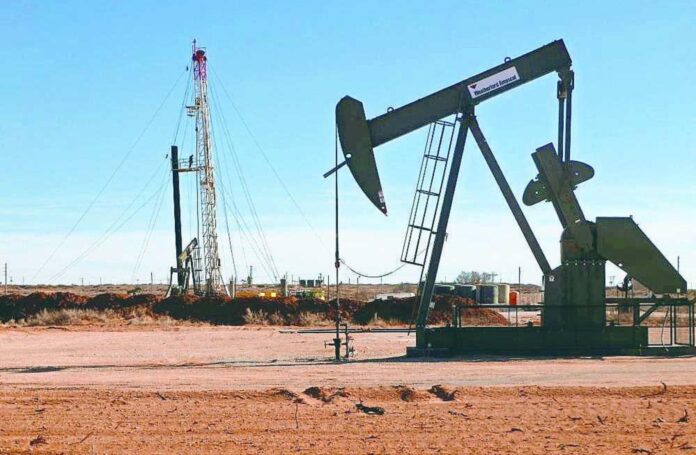
About $139 million was brought in by a sale of leases to public land for oil and gas production in New Mexico’s Permian Basin region.
The sale was held via auction Aug. 19 by the federal Bureau of Land Management, including leases to lands in Eddy and Lea counties along with other parcels in northern New Mexico, Texas and Oklahoma.
Revenue from the sale is split between the bureau and the state where the lease is offered.
In total, 25 parcels on 20,334 acres were leased in the three states, with the highest bids going to southeast New Mexico properties in the Permian Basin.
That included about 2,239 acres in the region – seven parcels in Eddy County and two parcels in Lea County.
The other 16,855 acres offered were in an area of northern New Mexico near the San Juan Basin known for heavy natural gas production. The acreage included 10 parcels in Sandoval County and two parcels in Rio Arriba County.
Another 2,086 acres were offered on 11 parcels – four in Roger Mills County in Oklahoma along with four in Angelina County and three in San Augustine County in Texas.
The three most valuable properties in the sale were in Eddy County.
The highest overall cost and highest per-acre bid was on a 642-acre property in Eddy County valued at $70.7 million, or $110,012 per acre, and leased to Midland-based Rock Creek Petroleum.
The next largest lease sale in the auction went to Permian Resources for a 280-acre parcel in Eddy County valued at $25.6 million in total, or $91,691 per acre.
That was followed by another Eddy County parcel valued at $19.5 million, or $22,246 per acre, for an 876-acre property.
The largest property in the sale was a 2,459-acre parcel in Sandoval County leased for $320,515 or $126 per acre.
The August sale followed the largest sale ever, according to the bureau, held on May 20 and bringing in a total of about $4 billion – also mostly coming from parcels in the Permian Basin.
That means New Mexico lease sales this year have generated a total of about $4.4 billion, the bureau reported, representing about 90% of the year’s lease sales held by the agency throughout the U.S.
Lower royalty rates questioned
The Bureau of Land Management credited growing oil and gas development on federal land to a 2025 reduction of the federal royalty rate, according to the announcement of the recent sale results.
The rate was reduced from 16.67% to 12.5% as part of President Donald Trump’s signature Working Families Tax Cut Act signed on July 4, 2025 – legislation originally labeled “One Big Beautiful Bill.” The bill reversed an increase included in the Inflation Reduction Act signed by former-President Joe Biden in 2022.
Royalty rates are paid to the federal government as a percentage of the proceeds from oil and gas generated on the leased land. The revenue from the royalty payments is split between the Bureau of Land Management and the parcel’s host state.
In a statement, the bureau said the lower royalty rate “reduces the cost of doing business on public lands, making oil and gas development more economically attractive to industry. This is expected to spur additional leasing and drilling activity, which in turn supports increased domestic energy production and strengthens U.S. energy security.”
But advocacy groups argued that New Mexico taxpayers were unfairly losing out on millions of dollars under the lower royalty rate.
A report released Aug. 19 by Taxpayers for Common Sense, a national government watchdog nonprofit targeting environmental issues, argued the Biden-era rate would have generated $20 million more during the lifetime of the leases in New Mexico than they will under the current rate.
The report also found that the average per-acre bids declined in the latest sale to an average of about $7,162 from the average $19,858 per acre reported between 2023 and 2025 when the higher royalty rate was still in effect.
In comparison, the recent $4 billion sale in May posted an average bid of $120,000, read the report.
This indicated waning interest in federal oil and gas leases despite assertions that the lower royalty rate was proving more attractive to oil companies, according to Taxpayers for Common Sense.
“The large difference between these two sales is further evidence that auction results are highly dependent on market conditions and the specific parcels offered, not royalty rates,” read the group’s report. “Lowering the royalty rate only costs taxpayers future royalty revenue.”
Managing Editor Adrian Hedden can be reached at 575-628-5516, or @AdrianHedden on the social media platform X.