I served on the New Mexico Public Regulation Commission. I know its work can be complicated. But the basic idea behind the PRC is very simple.
The PRC regulates public utilities for the public.
That means New Mexicans must have a real voice in the decisions the PRC makes. Right now, I am worried that voice is being weakened. The PRC makes decisions about electricity and natural gas that affect almost every family in our state. It decides whether utility companies can raise rates. It decides whether customers should pay for new power plants and other expensive projects. It reviews major utility deals.
These decisions can affect our electric bills for decades. That is why the public must be able to participate. Unfortunately, the PRC has adopted new rules that can make it harder for people and public-interest groups to take part in cases. People seeking to intervene may have to show that someone else is not already making the same arguments. The rules also allow limits on discovery, testimony and cross-examination. That may sound like a small procedural change. It is not.
Utility companies begin these cases with a huge advantage. They have the documents. They have the data. They have the employees and experts. They know how their numbers were calculated.
The public does not.
That is why we have discovery. It allows people to ask questions and get information. That is why we have testimony. That is why we have public hearings and cross-examination.
These are not roadblocks. They are how we find the truth about utility claims.
Different groups also represent different people and different concerns. A group worried about high electric bills may ask different questions from a group worried about air pollution. A community organization may see problems that an economist does not. An environmental expert may discover something a lawyer missed.
That is not duplication. That is democracy.
And groups cannot know what their position will be before they see the evidence. Imagine a teacher telling students they must give their answer before they are allowed to read the book. That would make no sense. Government should not work that way either. Evidence should come first. Conclusions should come afterward.
Utility regulation exists for a reason. People cannot choose another utility provider. That’s why New Mexico’s Constitution mandated that the Public Regulation Commission oversee the monopoly utilities. When people cannot choose another utility, they must have a strong voice before the government agency that regulates it.
We need to maximize public input and remove barriers to participation – that’s how the Commission makes its best decisions. That principle should guide the Commission today. I understand the desire to make government faster. Nobody wants unnecessary delay. But faster is not always fairer. And fewer voices do not necessarily produce better decisions. Public regulation must represent the public. It should not exclude it.
The doors of the PRC should be opened wider, not narrowed. Because the people paying the bills deserve a seat at the table. The PRC Rules tightening access to the very important work the PRC does should be revisited. Fairness, Justice and Access should be the guiding principles, not fast-tracking for administrative convenience that compromises community input.
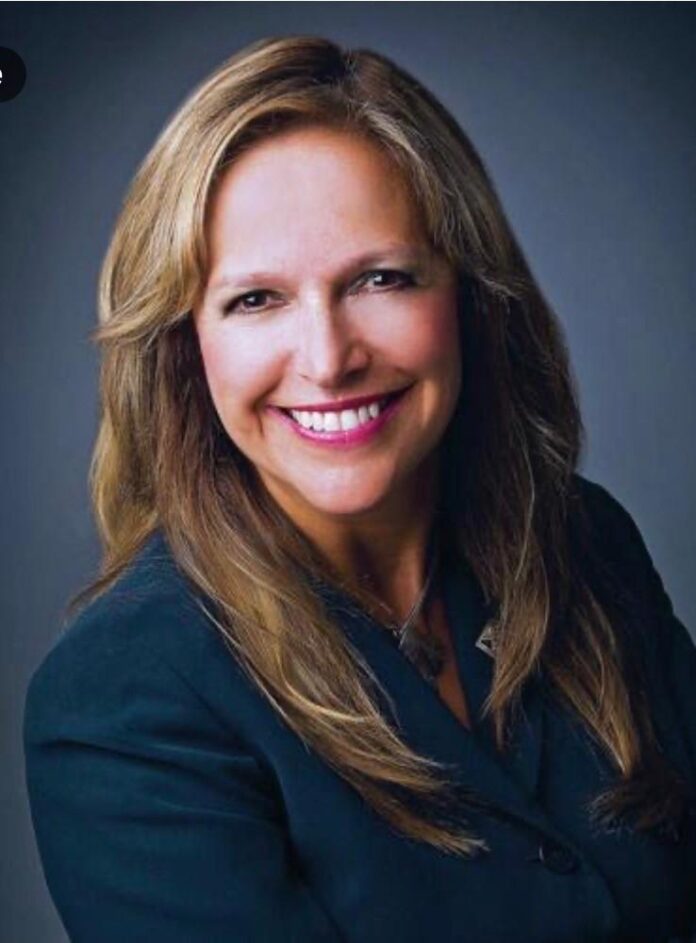
Valerie Espinoza is a former New Mexico Public Regulation Commissioner.