On July 15th, I participated with federal and state agencies, local governments, tribal partners, private landowners, ranchers, conservation groups, first responders, and community members for a Shared Stewardship Partnership discussion on the future of our forests. Wildfire, flooding, and forest health do not stop at property lines or political boundaries, so the people who deal with those consequences need to be part of the conversation.
The South Fork Fire and the flooding that followed showed us exactly what is at stake. We watched homes and communities burn. We watched the damage continue long after the fire was out, as burned watersheds brought erosion, debris flows, and damage to roads, bridges, and the homes still standing. Forest management is not just an environmental issue anymore. It is a public safety issue, a water issue, an economic issue, and a property insurance issue.
We cannot keep spending enormous amounts of taxpayer money responding to disasters while underinvesting in preventing them. The best time to reduce wildfire risk is before the fire starts. That means removing hazardous fuels, thinning, prescribed fire where appropriate, restoring watersheds, and creating defensible space around our communities. Every acre we responsibly restore today reduces the risk of catastrophic wildfire tomorrow.
Signing an agreement is only the beginning. The people of District 56 need to see actual work completed on the ground. Success should be measured in acres treated, watersheds restored, wildfire risk reduced, and local jobs created. Whenever legally possible, local contractors and local workers should do this work. They understand the land, and they keep taxpayer dollars in our communities. I will be watching closely to make sure forest restoration funding reaches rural communities and is not tied up in bureaucracy.
Healthy forests also affect property owners directly. As wildfire risk rises, insurance becomes more expensive and harder to get. We cannot expect insurance rates to improve if we do nothing about the underlying risk. Forest restoration will not fix every insurance problem, but it is part of the solution, and it shows we are taking real steps rather than waiting for the next disaster.
Wildfires do not recognize property boundaries, and floodwaters do not stop at fence lines. That is why this work requires everyone at the table: federal and state agencies, counties, municipalities, tribal governments, landowners, ranchers, sportsmen, conservation groups, and first responders. Local governments, landowners, ranchers, tribes, and residents need a voice early in project planning, not after the major decisions are already made. Healthy forests and watersheds also mean better habitat for elk, deer, turkey, and native fish, and they support the hunting, fishing, and outdoor recreation that matter to our economy and our way of life.
Going forward, my goals are straightforward: increase the pace and scale of forest restoration, support funding for wildfire prevention, make sure that funding results in real work on the ground, support local contractors, improve coordination among all our partners, and stay focused on measurable results and accountability for taxpayer dollars.
We cannot wait until after the next fire or flood to start planning. Lincoln County and Mescalero have already lived through the consequences of catastrophic wildfire and flooding. Healthy forests mean safer communities, healthier watersheds, stronger local economies, and a better chance of protecting our residents from the rising costs of catastrophic wildfire. I will keep pushing for practical, responsible forest management and for investments that protect our communities before disaster strike.
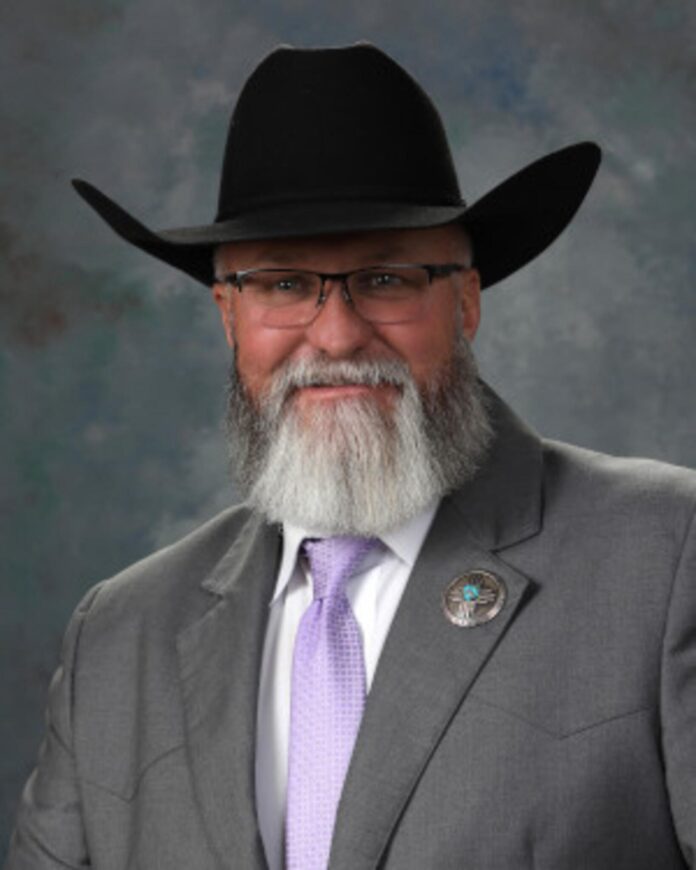
Harlen Vincent represents New Mexico’s 56th House District, including portions of Lincoln and Otero counties.