
“The fever broke,” a phrase some television pundits latched onto on election night, may be the best description of what happened with the ailing body politic of America. The country is weary and wary of Trump and increasingly aware of the steep costs of the unimpeded elevation of his power by his enablers, far beyond that of previous presidents: massive corruption at the top; an economy rigged against most of us; irresponsible deployment of deadly military power; increased protection of moral failure symbolized by Epstein; ignoring the warning signs about high tech; shameless abuse of power by public officials, and poor governance all around, violating the sacred covenant that government should make a sincere effort to further the interests of the whole.
But the fever finally broke. Since no one trusts the incumbent leaders of either party, the nation now turns for leadership to the unfamiliar grinning faces of the winners we all saw on election night. We will see what happens. But at least the fever broke.
The rejection of Trump in New Mexico, following the national trend, had a significant down-ballot effect at the level of the state legislature. Democrats increased their numbers to an overwhelming majority in the House–47-23–a net gain of three seats. The Senate, on a four-year cycle, will field candidates in 2028.
The increase in House seats for Democrats should not be seen as a commentary on the public’s view of how well things are going under Democratic rule in our state. New Mexico has a failing education system; collapsing health care; the worst road conditions in the country; draconian treatment at CYFD of our most vulnerable children; and signs of systemic cronyism at all levels. Yes, voters are aware of this.
Ordinarily, New Mexicans would punish these failures by rewarding the party out of power with the governorship. In 1988, 1994, 2010, and 2018 voters did just that, and in each case the margin of victory had a lot to do with a perception the outgoing governor had let them down. But in 2026, countering the mess in Washington appears to have been a greater priority in the minds of New Mexico voters, and many people may have simply voted Dem all the way. In any case, Democrat Deb Haaland, as expected, was elected governor, replacing Democrat Michelle Lujan.
It would, however, be a mistake to think the 2026 results represent a long-term trend. The statewide balance of sheriffs in 33 counties, for example, reveals that Republicans increased their numbers to 19, from 18, compared with only 14 for Democrats. And among county commissioners Republicans remained competitive with a new balance of 37 Democrats and 33 Republicans, in spite of the GOP losing two seats. While these two instances don’t indicate a
trend, the balance of power for Republicans in these lower offices is impressive, given that the GOP has for several years been plagued by limited organizational capacity and internal conflict.
Despite these problems the Republican Party has a lot of potential to grow. In the beginning, Hispanos (now forming almost exactly 50% of the total population) were concentrated into the Republican Party–Lincoln freed the slaves and the GOP in New Mexico in the late 19th and early twentieth century acted more like a civil rights party than Democrats. But the Roosevelt revolution shifted a majority of Hispanos into the Democratic Party in the late1930s and early 1940s, where they have remained ever since. Republican Susana Martinez’s gubernatorial victory in 2010 proved she could shift Democratic Hispano voters toward her simply by showing up and asking for the vote. And the shift in the South Valley of Texas to Trump in 2024, and the shift back to Democrats in 2026, also suggests Hispano voters will vote for changes they think will further their interests. Strong two-party competition between the parties would be healthy for the body politic of the state.
The dramatic shift away from Trump in the 2026 elections seems to have relaxed the tight knot in American politics that has dominated the country for at least two decades. There is a growing awareness that extreme partisanship—spurred on by unfair redistricting practices in both parties—has reduced accountability of House members to their constituents, resulting not only in a lot of nonsense but also in an accumulating backlog of issues that need to be addressed—not only in Washington, but in state legislatures as well. Relaxing the knot, while it provides welcome relief, is just one step in a long journey toward getting Washington and state legislatures to address these overdue challenges.
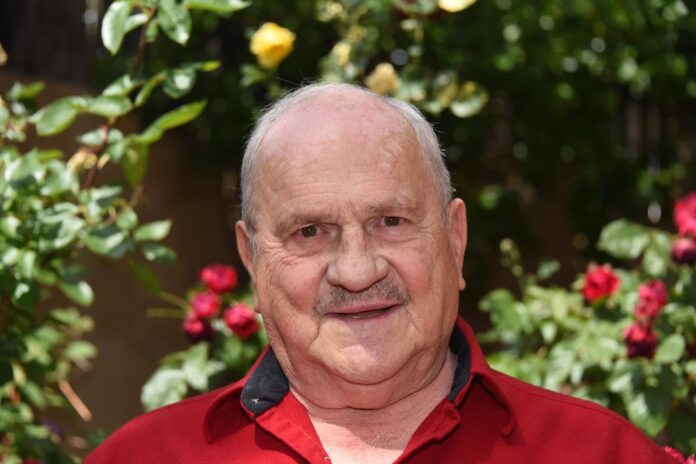
Dr. Jose Z. Garcia is a former New Mexico Secretary of Higher Education, retired University PhD professor of political science, is active in state politics and a columnist for El Rito Media. He lives in Las Cruces and also frequently spends time in Santa Fe where he maintains a residence.